3D As-Built Modelling – BIM
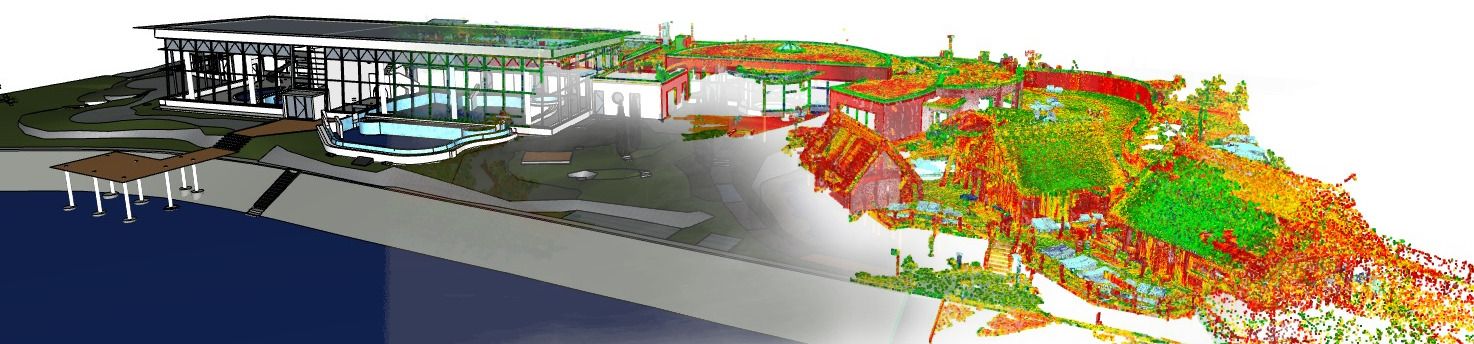
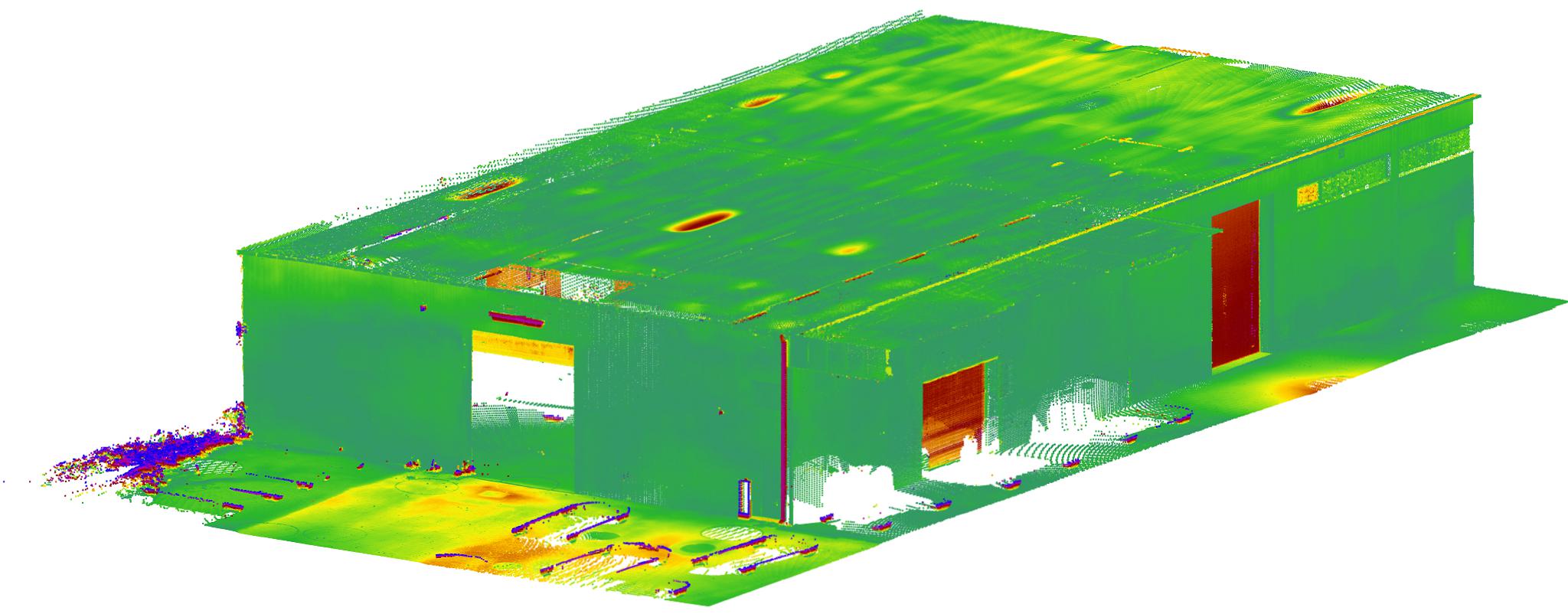
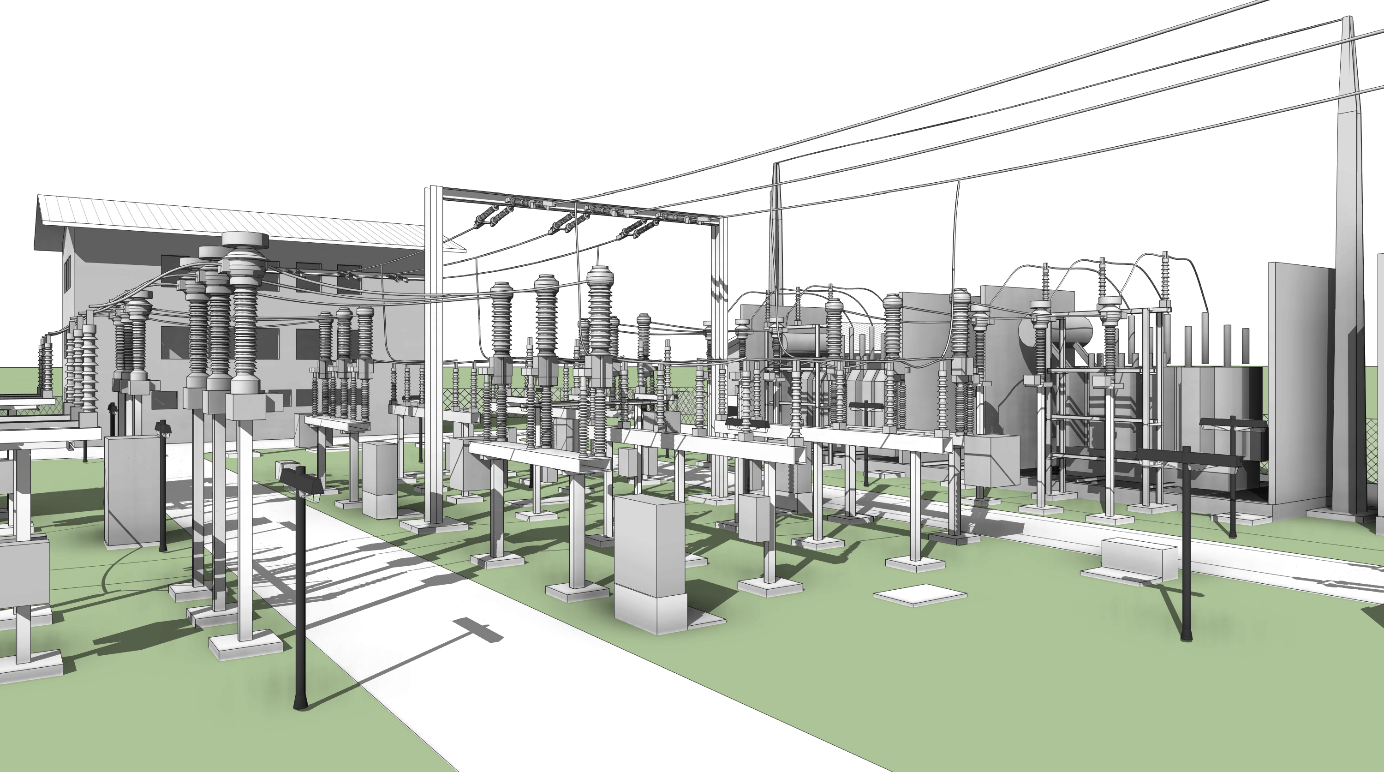
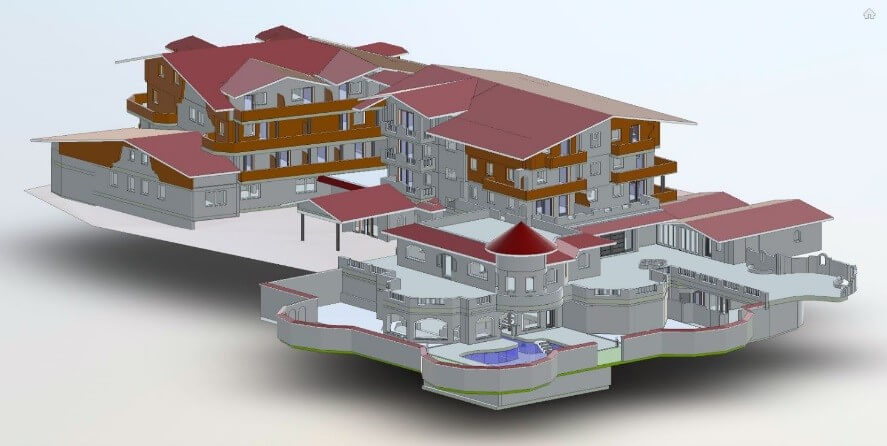
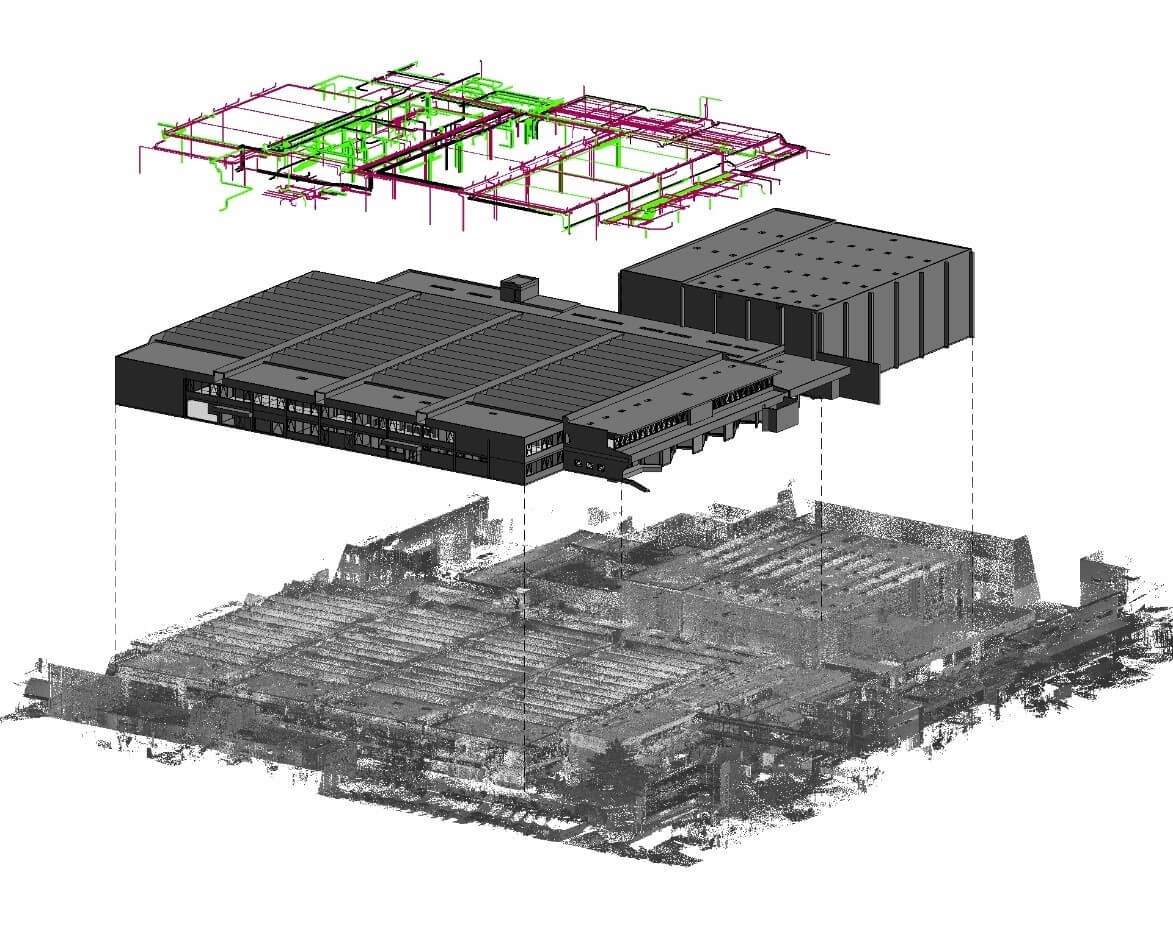
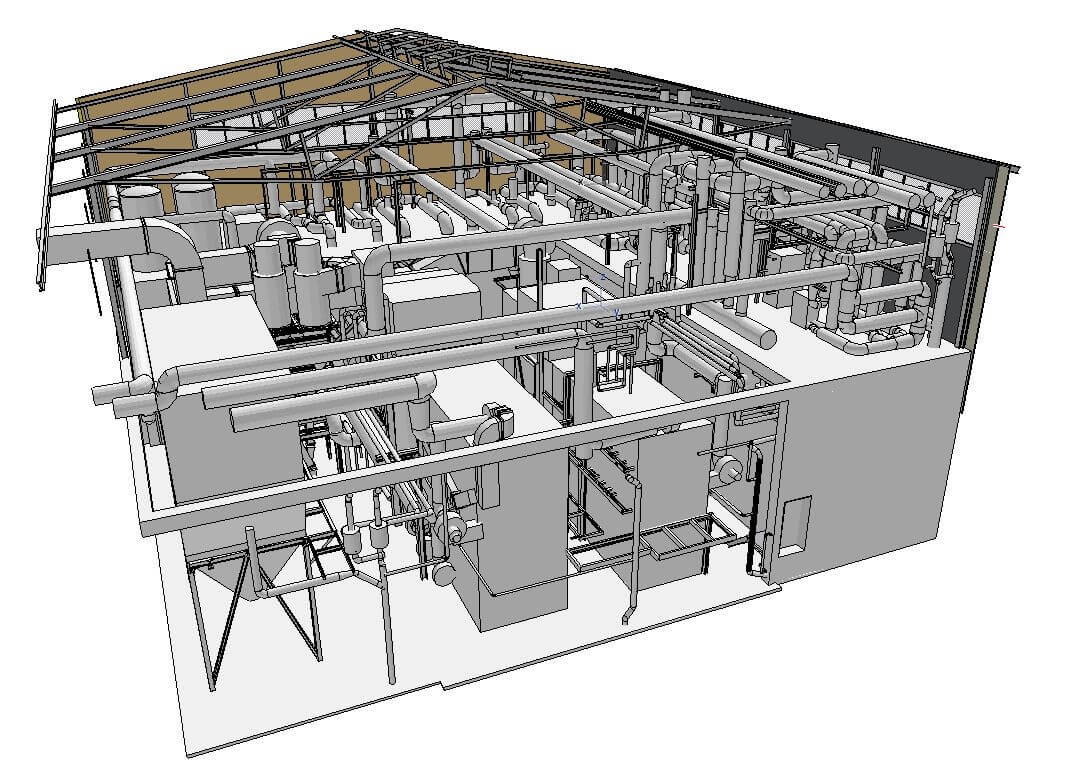
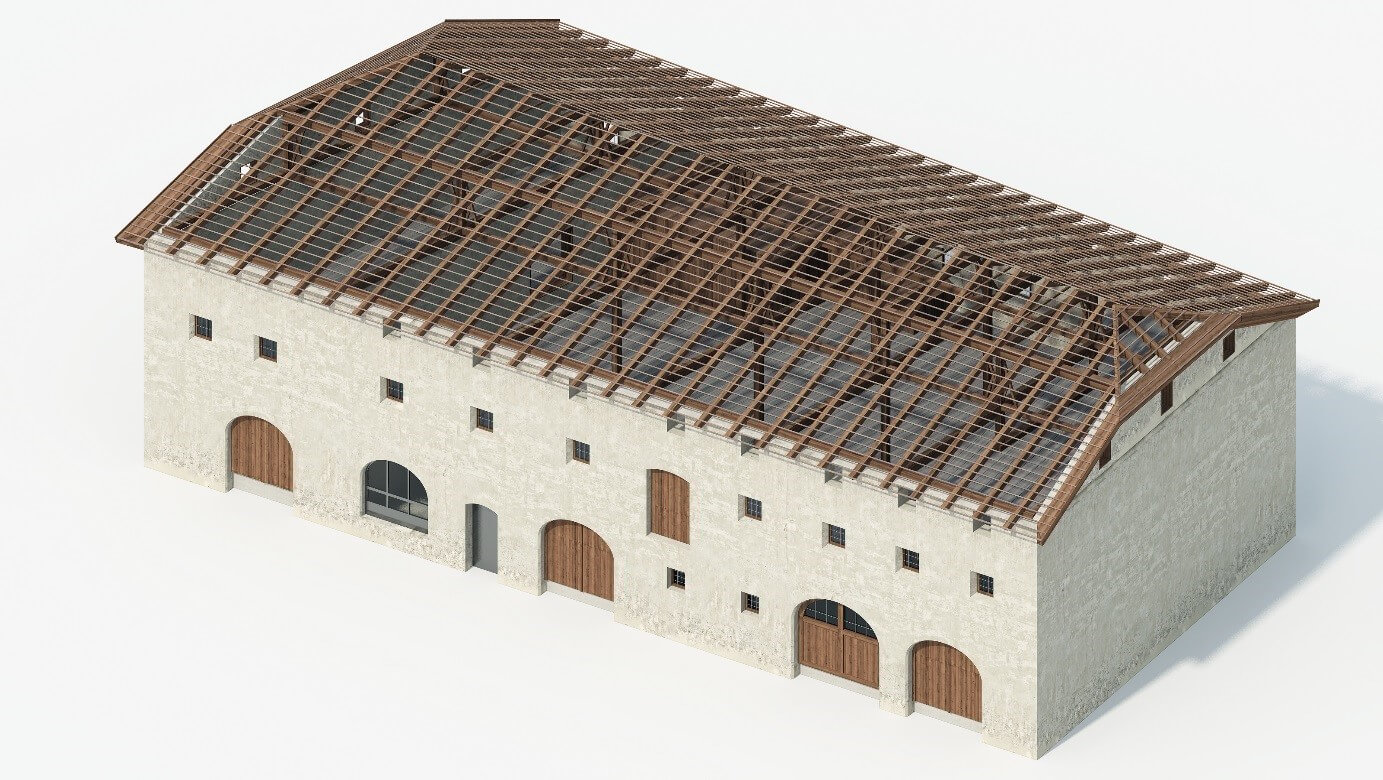
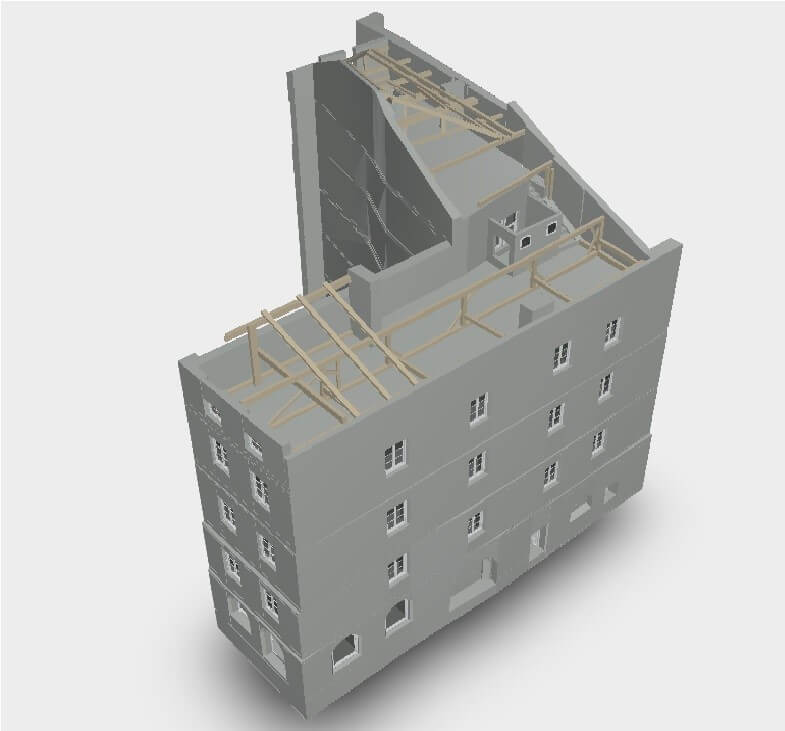
During 3D modelling, the captured point cloud is imported into the respective modelling software and serves as the data basis for building the 3D BIM model. Using a modular approach, corresponding model elements such as walls, beams, staircases, doors, windows and similar components are placed at the exact positions defined by the point cloud.
Advantages at a Glance
- Short on-site time for the survey team results in minimal interruption of operations
- Reduced time requirements thanks to a high degree of digitization and automation
- Cost-efficient due to minimized personnel requirements
- Results are tailored digital planning bases for renovation, extensions and conversions
- Accurate representation of all captured elements
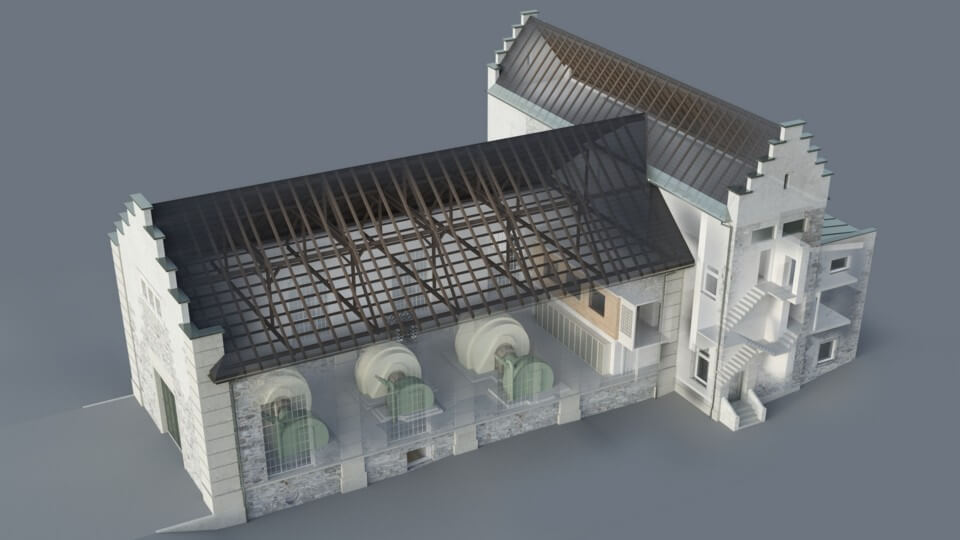
- Complex geometries such as trusses, roof structures or vaults are clearly represented
- Complete data capture ensures a comprehensive and consistent 3D BIM model
- All project participants work with the same continuously updated data environment
Fields of Application
Industry, energy sector, construction, infrastructure,
architecture, heritage conservation and many more
Downloads
BIM information sheet – building construction
BIM information sheet – industrial construction

Whether above-ground or underground structures, from architecture to building services engineering (MEP), every detail can be modelled using the point cloud as a reference. Depending on customer requirements, our 3D specialists work with widely used software packages such as Revit, ArchiCAD, Rhino, AutoCAD Architecture, AutoCAD Plant 3D, and many others.
This ensures that the resulting 3D BIM model can be delivered for virtually any CAD system used in building planning. After completion, a full geometric comparison (as-planned vs. as-built) is carried out between the point cloud and the 3D BIM model. This guarantees that the BIM model is geometrically accurate and that all elements are positioned correctly.
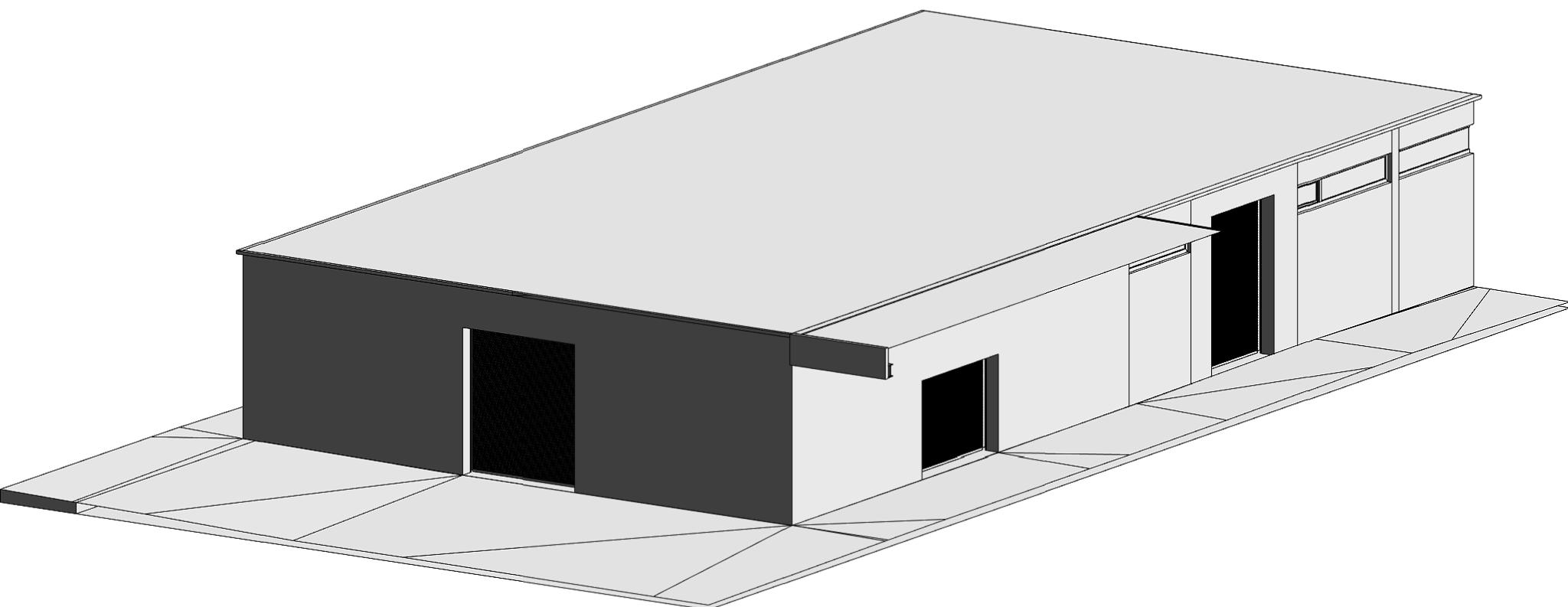
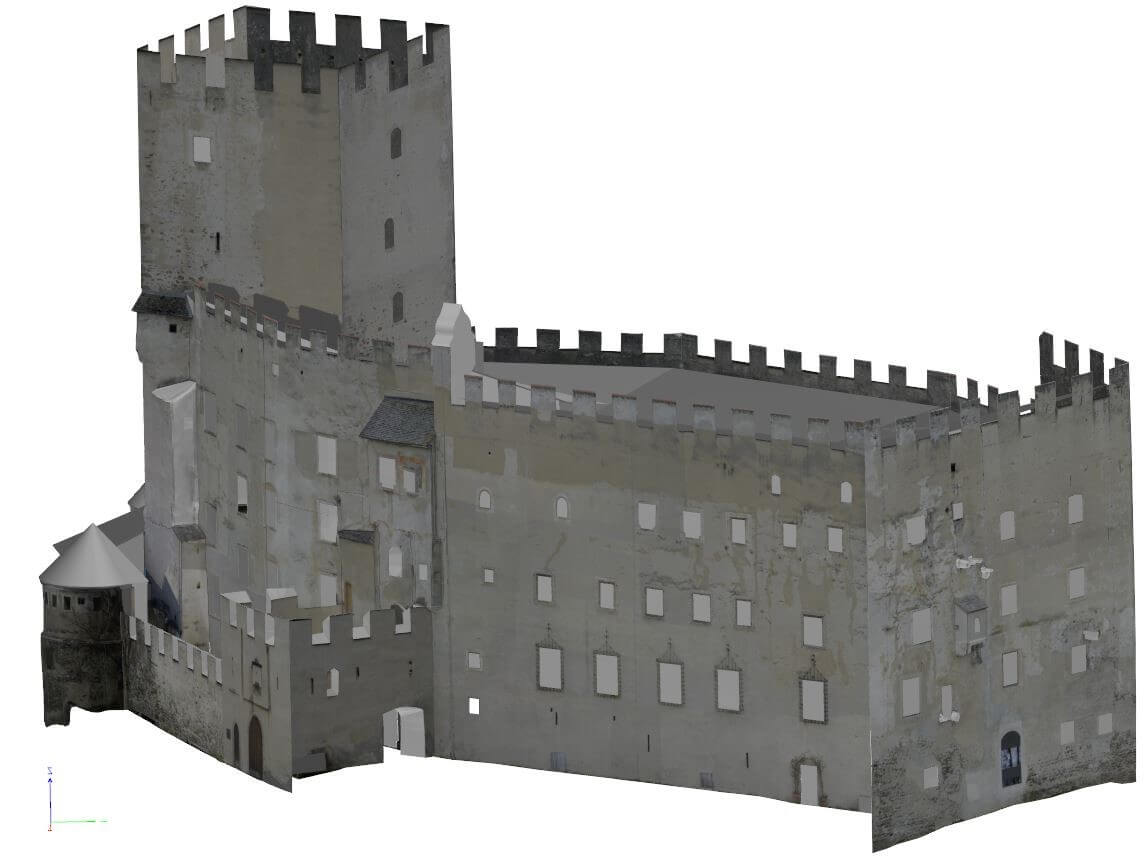
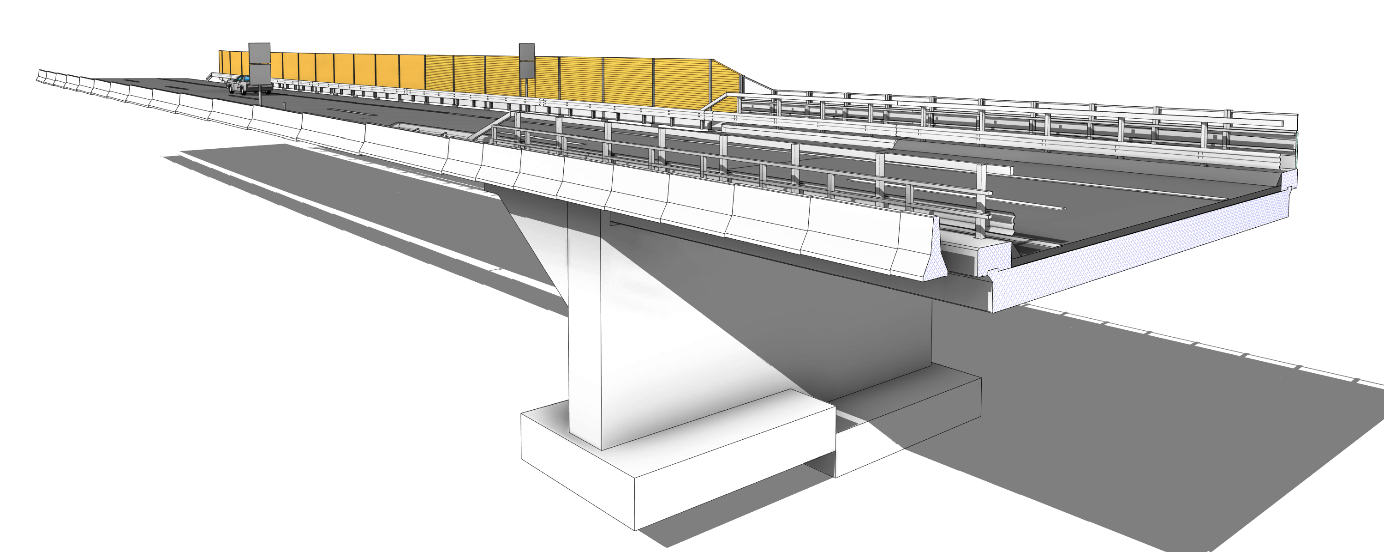
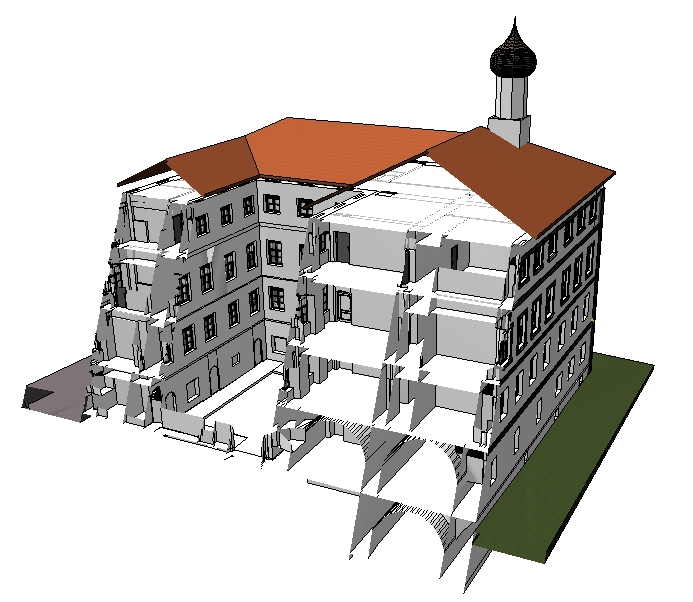
BIM (Building Information Modeling)
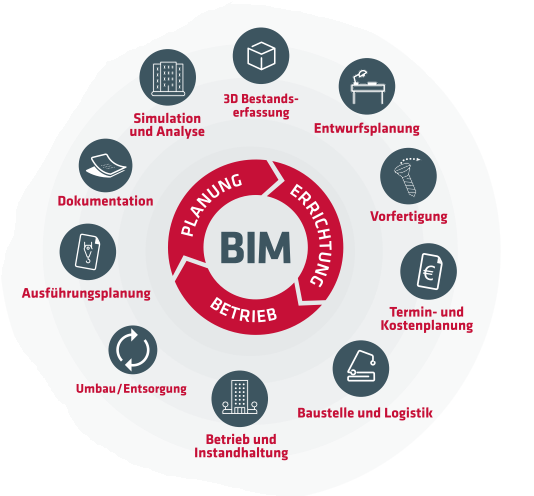
BIM (Building Information Modeling) is becoming increasingly important in new construction projects and especially in projects involving existing buildings. In essence, the term “BIM” describes all processes and technologies required to create, coordinate and deliver an interdisciplinary virtual building model.
From a technical perspective, BIM represents the continuous integration of planning, construction and operational building data within a central database. The underlying concept originates from industrial product lifecycle management, where the entire lifecycle of a product is considered – from concept and design to production, operation, maintenance and ultimately recycling or disposal.